
Thlabane Incident: Fresh Scrutiny on SAPS Conduct and Public Trust
An alleged assault by an off-duty SAPS officer in Thlabane sparks critical debate on police conduct & public trust. SecurIntel SA examines implications for priv
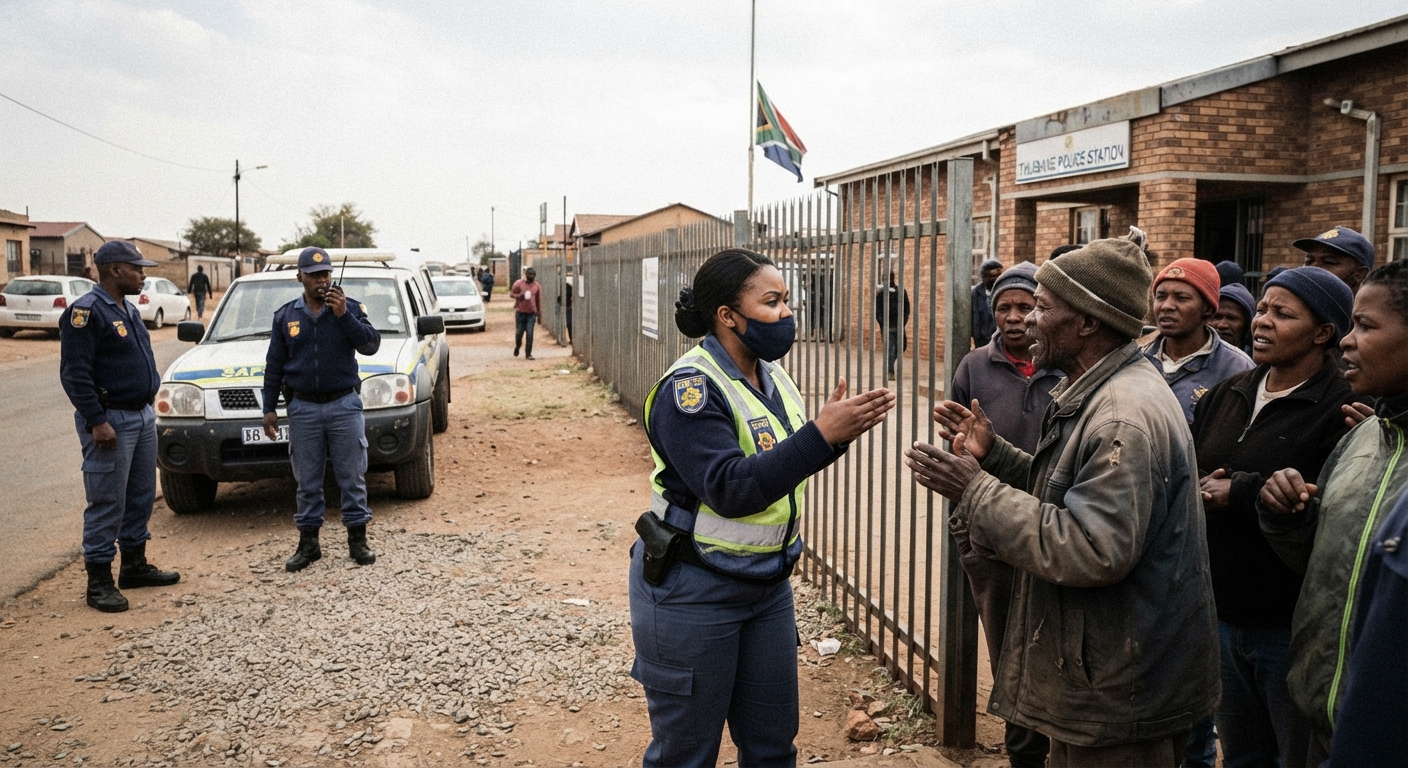
A disturbing incident in Thlabane, North West, has once again brought the conduct of South African Police Service (SAPS) members under intense public scrutiny. The alleged assault of a 33-year-old motorcycle delivery driver by an off-duty police officer has ignited a dual investigation – both criminal and departmental – and sparked widespread debate, particularly given the circulation of video footage capturing the altercation.
The Incident Unfolds
The alleged assault, which reportedly took place on the afternoon of November 7, 2026, involves a delivery driver who has since opened a criminal case of assault and crimen injuria. The fact that the officer was allegedly in civilian clothes at the time of the incident adds a layer of complexity, raising questions about the continuous responsibility and ethical conduct expected of SAPS members, regardless of their on-duty status. The rapid spread of video evidence across social media platforms has ensured that this event is not merely an internal matter but a significant public concern.
SAPS Responds: A Stance on Accountability
North West Provincial Commissioner Lieutenant General Arthur Peter Adams wasted no time in condemning the alleged actions, noting the incident with profound concern. In a statement, SAPS affirmed Adams' strong stance against any form of violence, intimidation, or abuse of authority by its members. He unequivocally stated that police officers are mandated to protect communities, uphold the law, and treat every citizen with dignity and respect. Furthermore, Adams has directed that a comprehensive internal investigation run concurrently with the criminal probe. The message from SAPS leadership is clear: misconduct will not be tolerated, and no member will be shielded if found to have acted outside the law or violated their code of conduct.
The South Africa Angle
For our 'SecurIntel South Africa' readership, an incident like the alleged Thlabane assault reverberates far beyond a single criminal case. Firstly, it directly impacts the fragile public trust in the South African Police Service (SAPS). When law enforcement agents are perceived to abuse their power, even off-duty, it erodes confidence, often driving individuals and businesses to rely more heavily on private security companies for protection and response services. This incident underscores the critical role private security plays in filling perceived gaps in state-provided safety.
Secondly, the proliferation of delivery services across South Africa means a growing workforce is constantly on the roads and in communities, often operating in vulnerable situations. Their safety, including protection from harassment or assault, becomes a key concern for businesses and the broader economy, potentially prompting a need for enhanced protection protocols or even specialized private security contracts for these fleets.
Thirdly, the role of visual evidence, likely from a bystander's phone or potentially a private surveillance camera, underscores the increasing importance of technology in ensuring accountability. This highlights the value of camera technology and community vigilance in contemporary crime reporting and oversight. Finally, this incident serves as a stark reminder of the continuous need for rigorous oversight and ethical conduct within state security apparatuses, a gap that often leads communities and businesses to invest heavily in private security solutions and advanced access control systems.
As investigations proceed, the outcome will be crucial in demonstrating SAPS's commitment to justice and accountability, vital for maintaining public confidence in both state and private security sectors.
Source: IOL News