
The Unsung Frontline: How Neighbourhood Watches are Stepping Up Against Crime
Explore how South Africa's neighbourhood watch schemes are making a powerful comeback, leveraging technology and collaboration to combat rising crime rates and secure communities.
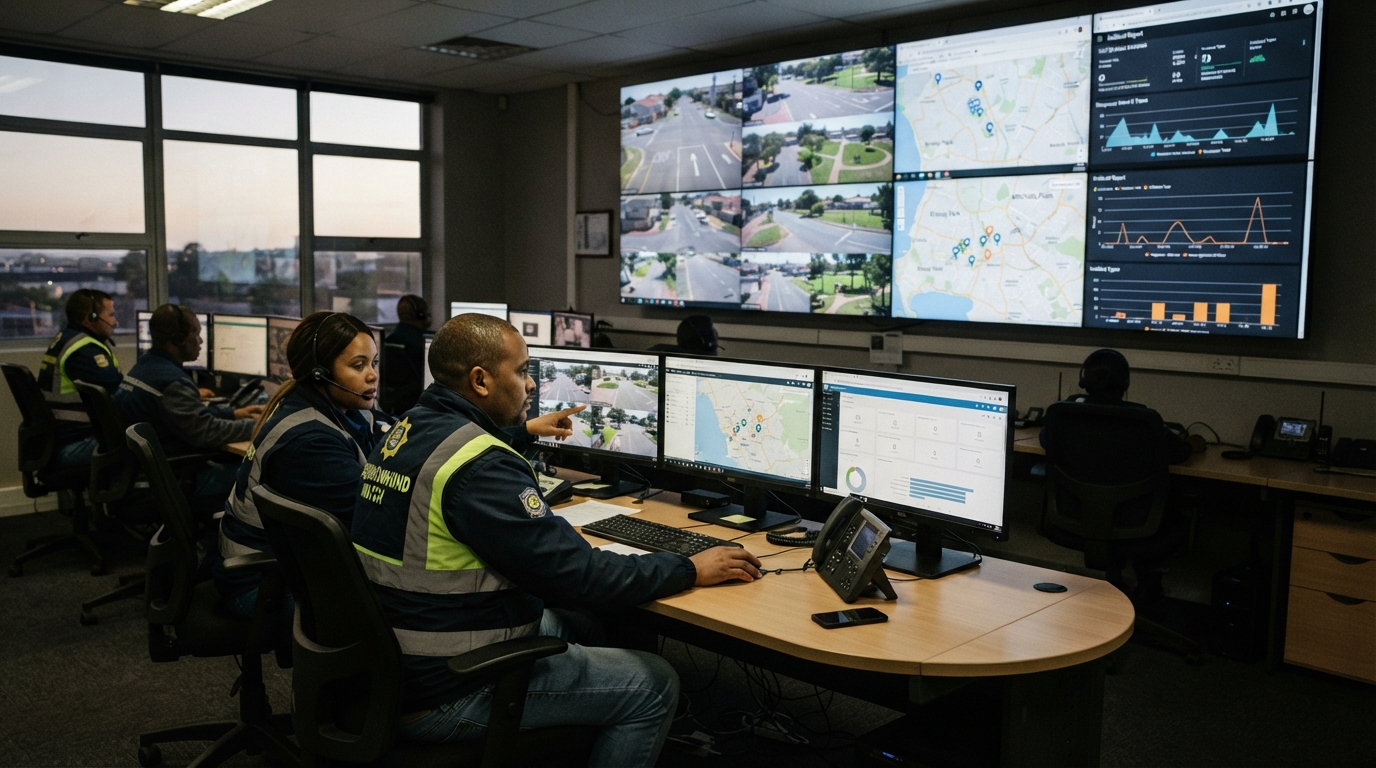
South Africa's fight against pervasive crime often shines a spotlight on cutting-edge security technology, robust private response teams, and the tireless efforts of the South African Police Service (SAPS). Yet, an older, more organic force is making a powerful resurgence, silently transforming local safety landscapes: the neighbourhood watch. Once seen as a supplementary effort, these community-led initiatives are now stepping up, leveraging renewed vigour and smart integration to become an indispensable component of South Africa's security ecosystem.## From Dormancy to Dynamic DefenceFor years, the trajectory of neighbourhood watches (NWs) in South Africa has been cyclical. While always present, their effectiveness often ebbed and flowed, dependent on volunteer enthusiasm, inconsistent funding, and varying levels of support from external security partners. Many communities experienced periods where watch activities dwindled, becoming a mere shadow of their potential as residents increasingly relied solely on armed response services or individual home security products. This era could be likened to a period of "exile" for the collective community spirit – a vital asset sidelined amidst the complexity of modern crime.However, a confluence of factors, including escalating crime statistics and a renewed sense of collective responsibility, has catalysed a significant shift. Today's revitalised NWs are proving to be dynamic defenders, adapting strategies and embracing technology to fortify their local precincts. They are no longer just groups of concerned citizens patrolling streets; they are organised, connected networks utilising communication platforms, integrated CCTV systems, and coordinated rapid response protocols.## Tech-Enhanced Vigilance and CollaborationThe modern neighbourhood watch is a far cry from its predecessors. Many schemes now integrate directly with private security companies, sharing real-time intelligence and coordinating responses to incidents. Advanced camera technology, often crowd-funded or sponsored, feeds into central monitoring points, creating virtual tripwires across communities. Communication apps facilitate instant alerts, allowing for swift mobilisation and information dissemination among members and security partners. This tech-driven approach significantly enhances their vigilance and deterrent capabilities, positioning them as highly effective "first responders" in many scenarios, much like a top-performing specialist in any field.Crucially, the relationship with SAPS has also seen a positive evolution. Regular liaison meetings, joint operations, and shared intelligence foster a collaborative environment, making NWs an invaluable force multiplier for overstretched police resources. This integrated approach not only aids in crime prevention and apprehension but also strengthens community resilience and trust.## The South Africa AngleFor "SecurIntel South Africa" readers, the resurgence of neighbourhood watches is paramount. In a nation grappling with high crime rates, NWs offer an affordable, community-driven layer of security that complements private security and SAPS. They are not merely supplementary; they are an essential part of a comprehensive safety strategy, enhancing visibility, deterrence, and response times in suburbs and townships alike. The "tech-enablement" of these watches, through smart cameras and connected community networks, represents a smart, cost-effective evolution of neighbourhood vigilance. For homeowners and businesses, engagement with, and support for, local neighbourhood watches is not just about civic duty; it's about recognising a fundamental shift in how South African communities are proactively taking ownership of their safety and shaping the future of security on the ground.Source: Daily Maverick