
National Security Threat: SA Intelligence Reforms Grind to a Halt
South Africa's critical intelligence sector reforms have stalled in Parliament, raising concerns about national security, vetting backlogs, and the risk of politicisation. Learn the implications.
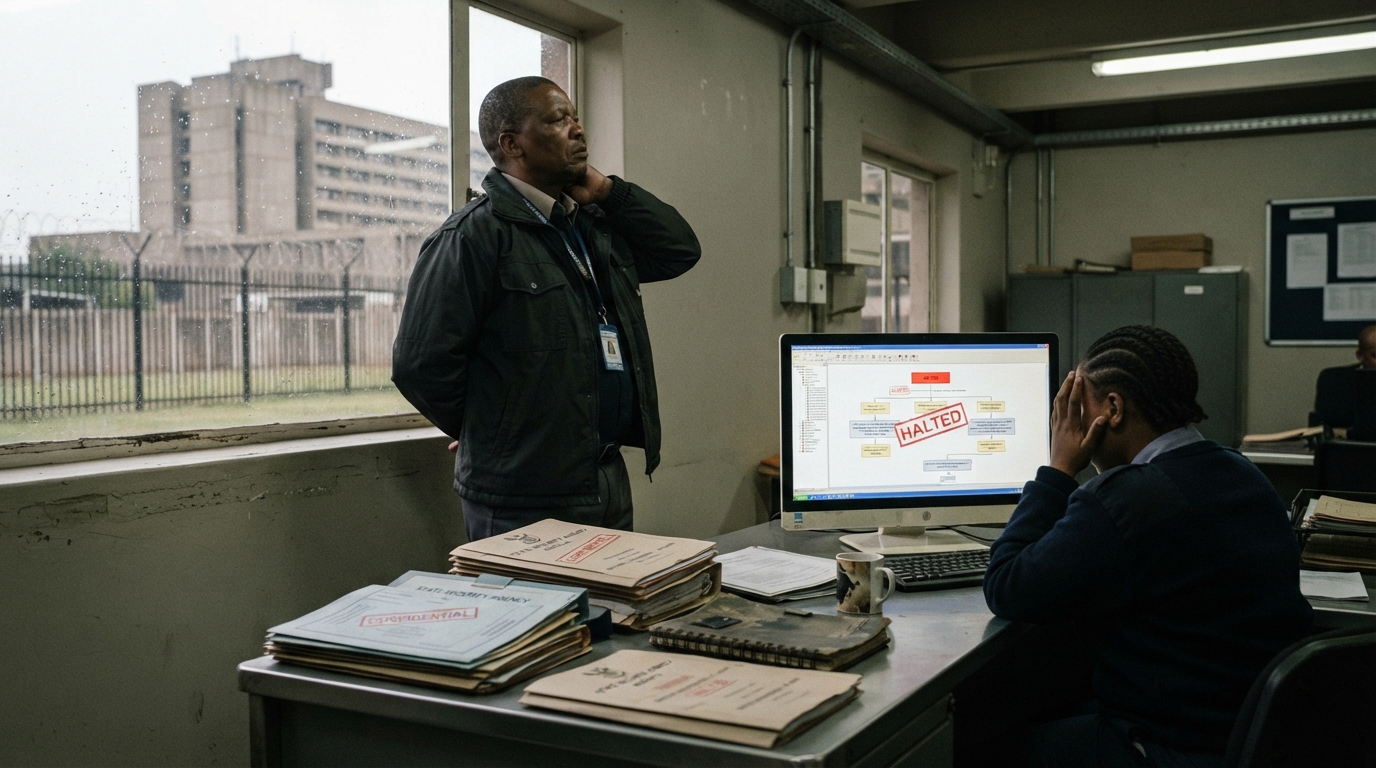
South Africa's crucial efforts to overhaul its state security agencies have once again hit a significant roadblock, with critical legislation stagnating in Parliament. This delay threatens to prolong vulnerabilities within the country's intelligence apparatus, raising serious concerns for national security and the broader stability of the operational environment for businesses and citizens alike.The proposed reforms, a direct response to damning revelations of inefficiency, politicisation, and intelligence failures highlighted by the Zondo Commission, aim to rebuild trust and effectiveness within institutions vital for proactive crime prevention and threat mitigation. However, debates around crucial oversight legislation have stalled, leaving key issues unresolved and reform efforts in a precarious state.## Vetting Bottleneck Fuels UncertaintyAmong the most pressing concerns is the persistent backlog in security vetting for state employees. A robust vetting process is fundamental to preventing infiltration by corrupt elements or those with ulterior motives, safeguarding classified information, and ensuring the integrity of the state’s human intelligence network. With thousands of essential personnel awaiting clearance, the operational capacity and trustworthiness of various government departments, including those directly involved in law enforcement and national security, remain compromised. This uncertainty creates fertile ground for risks, directly impacting the ability to predict and respond to threats effectively.## The Broader Security ImplicationsThe failure to enact these reforms carries significant weight for South Africa’s security landscape. A dysfunctional intelligence sector directly impedes the South African Police Service's (SAPS) ability to act preemptively against organised crime syndicates, violent unrest, and other emerging threats. The cost of intelligence failure, as evidenced by past events, is not merely financial but impacts public safety, economic stability, and investor confidence. The ongoing risk of politicisation within intelligence structures further erodes public trust and can lead to resources being misdirected or intelligence being manipulated for political ends, rather than serving the national interest.### The South Africa AngleFor "SecurIntel South Africa" readers, these stalled reforms underscore a critical reliance on the private security sector to fill potential gaps left by an underperforming state security apparatus. Businesses and homeowners increasingly invest in advanced alarm systems, CCTV, access control, and private response services to bolster their protection. However, a robust national intelligence framework is an indispensable foundation for overall security. Without accurate threat assessments and proactive intelligence gathering from the state, private security companies operate with reduced foresight, making comprehensive protection more challenging. The continued uncertainty also affects long-term investment in the security industry itself, as stability is key for growth. This situation necessitates greater vigilance and strategic planning for all security stakeholders in South Africa.Source: Daily Maverick